
26 January, 2026
Top Tips For Caring For Your Dental Implants And Smile
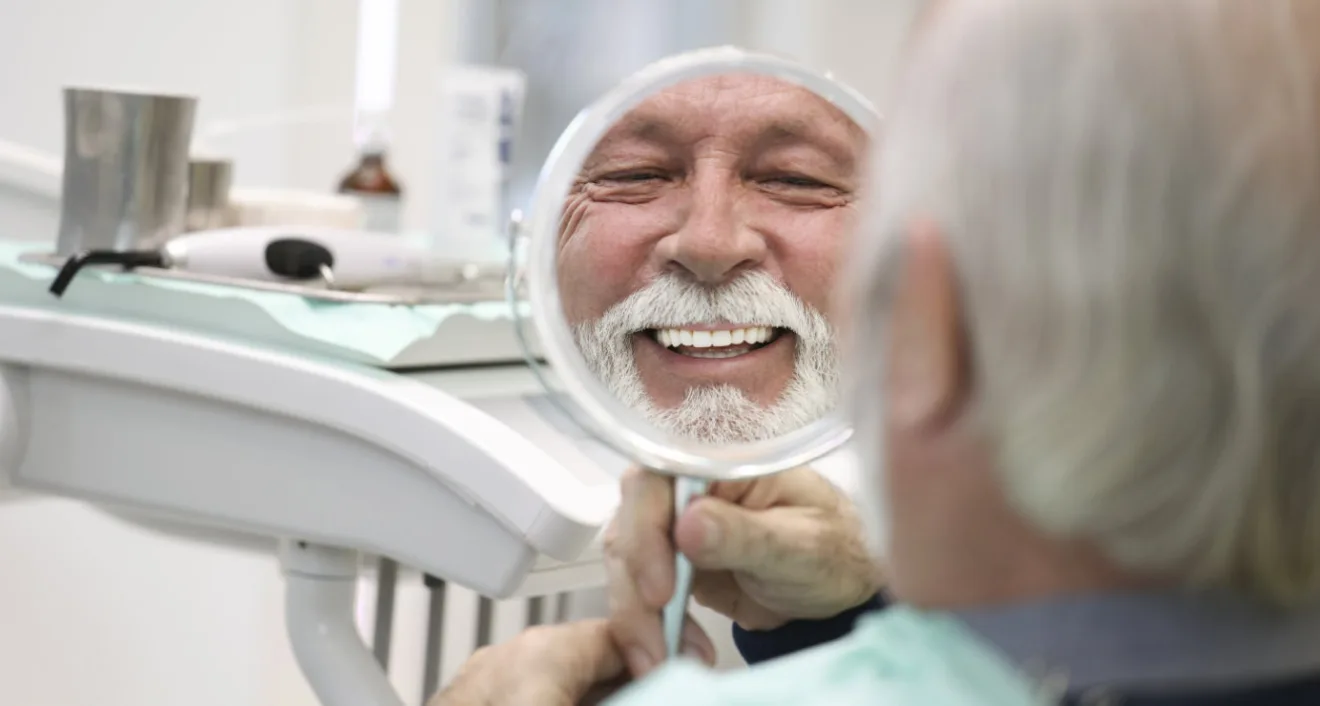
A new year is a brilliant moment to refresh your routine and give your dental implants the care they deserve. With the right daily habits and regular check-ups, your implants can look and feel great for many years. In this guide, we will walk you through a simple day-to-day routine, when to see your dentist, the foods and habits to avoid, and what to do if something does not feel right. Our goal is to keep things friendly, practical and easy to follow.
At Queensway Dental Clinic, we support patients with long-term implant health through clear guidance, gentle hygiene care and regular reviews.
Your Daily Care Routine For Dental Implants
Think of your implant like a tooth with a very important neighbour - your gums. Healthy gums are the foundation of long-term implant success. A good routine only takes a few minutes morning and night.
- Brush twice a day for two minutes with a soft manual or electric toothbrush. Angle the bristles gently towards the gumline around your implant crown and natural teeth.
- Use a low-abrasive toothpaste. Highly abrasive whitening pastes can be too harsh and may scratch the surface of implant crowns.
- Clean between teeth once a day. Interdental brushes sized for your spaces are ideal around implants. Floss or tape is fine if you prefer, but avoid snapping it against the gum. Superfloss or floss threaders can help under implant bridges.
- Add a non-alcohol mouthwash if recommended by your dentist, particularly if you are prone to inflammation.
- Rinse after meals when brushing is not possible. A quick water rinse reduces food debris and staining.
- Protect against grinding. If you clench or grind at night, a custom night guard can protect your implant crown and natural teeth.
If you have a full-arch solution or an implant bridge, your dentist or hygienist will show you how to use specialist brushes, threaders or water flossers to keep underneath the bridge clean and fresh.
How Often To Visit For Implant Check-Ups
Routine reviews allow us to spot small changes early and keep your implants stable long term.
- Dental examinations every 6 to 12 months, depending on your individual risk factors.
- Hygiene appointments every 3 to 6 months for professional plaque and biofilm removal around implants and natural teeth.
- Implant reviews with x-rays when advised, to check bone levels and the health of the gum seal around the implant.
If you have a history of gum disease, more frequent maintenance may be recommended. Our team at Queensway Dental Clinic will personalise your care plan so you feel confident between visits.
Foods And Habits That Can Harm Implants
Dental implants are strong, but the surrounding gums and the ceramic crown still benefit from mindful care.
- Avoid very hard foods such as ice cubes, fruit stones and boiled sweets, which can chip or crack restorations.
- Limit sticky sweets that cling around the gumline.
- Reduce frequent sugary or acidic drinks, including fizzy drinks or citrus sipped over long periods, to protect neighbouring teeth.
- Do not use your teeth to open packets or bite thread.
- Avoid smoking where possible. Smoking slows healing, increases inflammation and is linked to implant complications.
- Manage grinding. Night-time clenching places heavy forces on implants and natural teeth. A night guard helps distribute these forces safely.
Tea, coffee and red wine are fine in moderation. If surface staining builds up, our hygiene team can gently refresh your smile.
Keeping Your Smile Bright Beside Your Implant
Implant crowns do not whiten, so shade planning is important. Whitening is often best done before a final crown is placed to ensure a natural colour match.
If you already have a dental implant and would like a brighter smile, we can assess whether whitening surrounding teeth or polishing the crown surface will help achieve a balanced result. Our clinicians work closely with dental laboratories to maintain a harmonious appearance.
Minor chips or surface wear on an implant crown can often be polished or repaired professionally. Avoid DIY fixes, as incorrect products can damage the restoration.
What To Do If You Are Worried About Your Implant
Listen to your mouth and act early. Contact Queensway Dental Clinic if you notice:
- Bleeding gums around the implant when brushing or cleaning between teeth
- Persistent bad taste, swelling or tenderness
- Movement, looseness or a clicking sensation from a crown or bridge
- Pain on biting, new gaps or food trapping
- A cracked, chipped or loose crown
Often the cause is something simple, such as trapped plaque or a loose component. Early attention protects the bone and gum seal and keeps treatment straightforward.
Answers At A Glance
- Daily care: Brush twice daily with a soft brush, clean between teeth every day, use gentle toothpaste and consider a night guard if you clench.
- Dental visits: Check-ups every 6 to 12 months, hygiene visits every 3 to 6 months, with x-rays as advised.
- Avoid: Very hard foods, using teeth as tools, frequent acidic or sugary drinks, smoking and unmanaged grinding.
- Concerns: Contact Queensway Dental Clinic promptly for advice and assessment.
Ready For Friendly Support?
At Queensway Dental Clinic, we place and maintain dental implants and support patients with clear guidance and ongoing care. Our hygienists are excellent at helping you build a simple, sustainable home routine that protects your investment.
If you would like personalised implant maintenance advice or are exploring treatment options, book an appointment with our team. You can also learn more about dental implants on our website.


 Open in Google Maps