
16 October, 2026
How Much Does It Cost to Have a Tooth Removed?
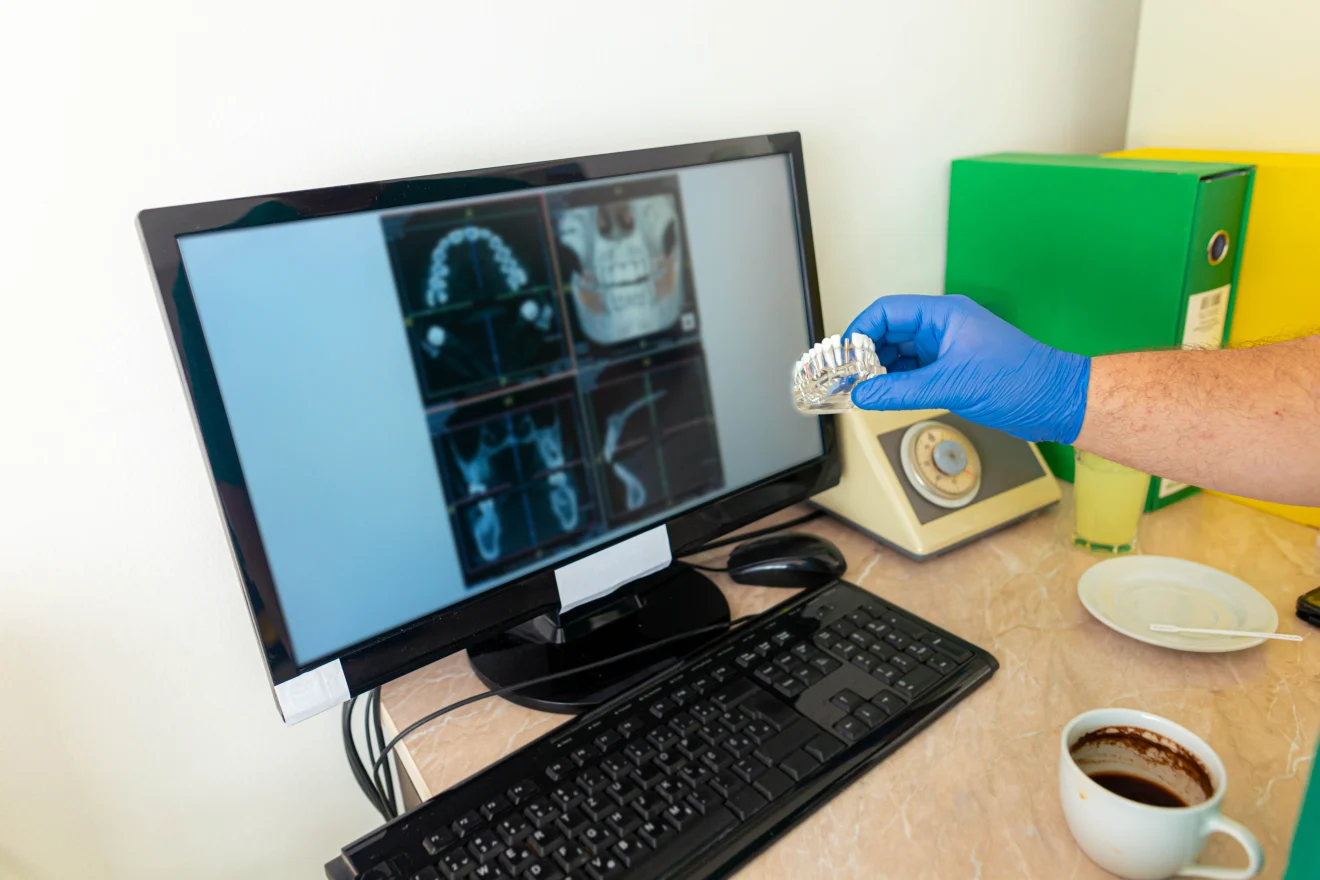
If you need a tooth taken out, one of the first questions on your mind is usually a simple one: how much will it cost? It is a fair question, and the honest answer is that the price of a tooth removal depends on the tooth, the complexity of the case, and the type of care you choose. In this guide our team at Queensway Dental Clinic explains what affects the cost, what to expect on the day, and how we help nervous patients feel calm and supported throughout.
For the exact fee that applies to your situation, the most reliable figure always comes from an assessment. You can see our representative fee ranges on our treatment fees page, or book a consultation and we will give you a clear, personalised estimate before anything goes ahead.
What affects the cost of a tooth removal?
There is no single price for having a tooth removed, because no two cases are the same. The main factors that influence the cost include:
Simple versus surgical extraction:
A straightforward extraction of a tooth that is fully erupted and easy to access is usually the most affordable option. A surgical extraction, where a tooth is broken down, impacted, or needs to be removed in sections, takes more time and skill, so it typically costs more.
Which tooth it is:
Front teeth with a single root are generally simpler to remove than back molars, which have multiple roots. Wisdom teeth, especially impacted ones, often need a more involved surgical approach.
Your individual circumstances:
The position of the tooth, the condition of the surrounding bone and gums, and your overall oral health all play a part. If there is infection present, or the gums need stabilising first, this can affect the plan.
Sedation and comfort options:
Most extractions are carried out comfortably under local anaesthetic. If you feel anxious, options such as inhalation sedation or IV conscious sedation can be added where appropriate, and this is reflected in the overall cost. We will always talk you through what is included before you commit.
What to expect when you have a tooth removed
Knowing what happens on the day takes a lot of the worry out of the process. A typical visit involves:
First, a thorough assessment. We examine the tooth and surrounding area, and where helpful we take digital scans or imaging so we can plan the safest approach. We then explain your options and give you a clear estimate.
On the day of the extraction, the area is numbed with local anaesthetic so you should feel pressure but not pain. For a simple extraction, the tooth is gently loosened and lifted out. For a surgical extraction, a small amount of gum may be eased back and the tooth removed in sections, with a few dissolvable stitches placed afterwards if needed.
Afterwards, we give you clear aftercare instructions to help the area heal well, including how to manage any swelling and what to eat in the first few days. Most people recover within a week or so, though healing time varies from person to person.
Is tooth removal painful?
The extraction itself should not be painful, because the area is fully numbed with local anaesthetic beforehand. You may feel some pressure or movement, which is normal. After the anaesthetic wears off, it is common to have some soreness and swelling for a few days, which can usually be managed with over the counter pain relief and the aftercare advice we provide. If you are worried about discomfort, let us know and we will tailor your care to keep you as comfortable as possible.
Anxious about having a tooth taken out?
Feeling nervous about an extraction is completely normal, and you are not alone. We support nervous patients with kind, step-by-step care and never rush you. Many people are comfortable with local anaesthetic alongside calming techniques, and for those who need extra support we offer inhalation sedation or IV conscious sedation where appropriate, with a dedicated pre-assessment and clear instructions beforehand. You can read more about how we help on our nervous patient care page.
What happens after a tooth is removed?
Removing a tooth is sometimes the healthiest option, but it is worth thinking about what comes next, especially if it is not a wisdom tooth at the back of the mouth. When a tooth is lost, the neighbouring teeth can drift and the bone in that area can gradually change. Replacing a missing tooth helps protect your bite and keep everything working as it should.
If you do need to replace a tooth later, there are several options to discuss:
Dental implants: A fixed, natural-looking solution that replaces the tooth root as well as the crown. Learn more about dental implants.
Dental bridges: A fixed restoration that uses neighbouring teeth for support. Read about dental bridges.
Dentures: Removable replacements for one, several, or all missing teeth. Find out more about dentures.
There is no need to decide everything at once. At your appointment we will explain which options suit your mouth, timeline, and budget.
Do I always need a tooth removed, or are there alternatives?
Not every troublesome tooth needs to come out. Where a tooth can be saved, we will always explore that first. Depending on the problem, treatments such as a filling, a crown, or root canal treatment may be able to preserve your natural tooth. Extraction is usually recommended when a tooth is too badly damaged, decayed, or infected to save, or when it is causing problems for the surrounding teeth. Your clinician will talk you through the pros and cons so you can make an informed choice.
Frequently asked questions about tooth removal
How much does it cost to have a tooth removed?
The cost depends on whether the extraction is simple or surgical, which tooth is involved, and whether you choose sedation. Because every case is different, the most accurate figure comes from an assessment. You can view our representative fee ranges on our treatment fees page and we will confirm your personalised estimate before any treatment goes ahead.
Is having a tooth removed painful?
The procedure itself should not be painful, as the area is numbed with local anaesthetic. Some soreness and swelling afterwards is normal and usually settles within a few days.
How long does it take to recover from a tooth extraction?
Most people feel much better within a week, though healing time varies. We give you clear aftercare advice to help the area heal well.
Can I have a tooth removed if I am nervous?
Yes. We regularly care for anxious patients and offer calming techniques and sedation options where appropriate, so you can have your treatment in a way that feels manageable.
Should I replace a tooth after it is removed?
For most teeth, yes, as it helps protect your bite and keep neighbouring teeth in place. We will discuss implants, bridges, and dentures so you can choose the option that suits you.
Book a consultation at Queensway Dental Clinic
If you think you may need a tooth removed, or you simply want clear answers about the cost and what is involved, we are here to help. Book a consultation and we will assess your tooth, explain your options, and give you a transparent estimate with no pressure.


 Open in Google Maps